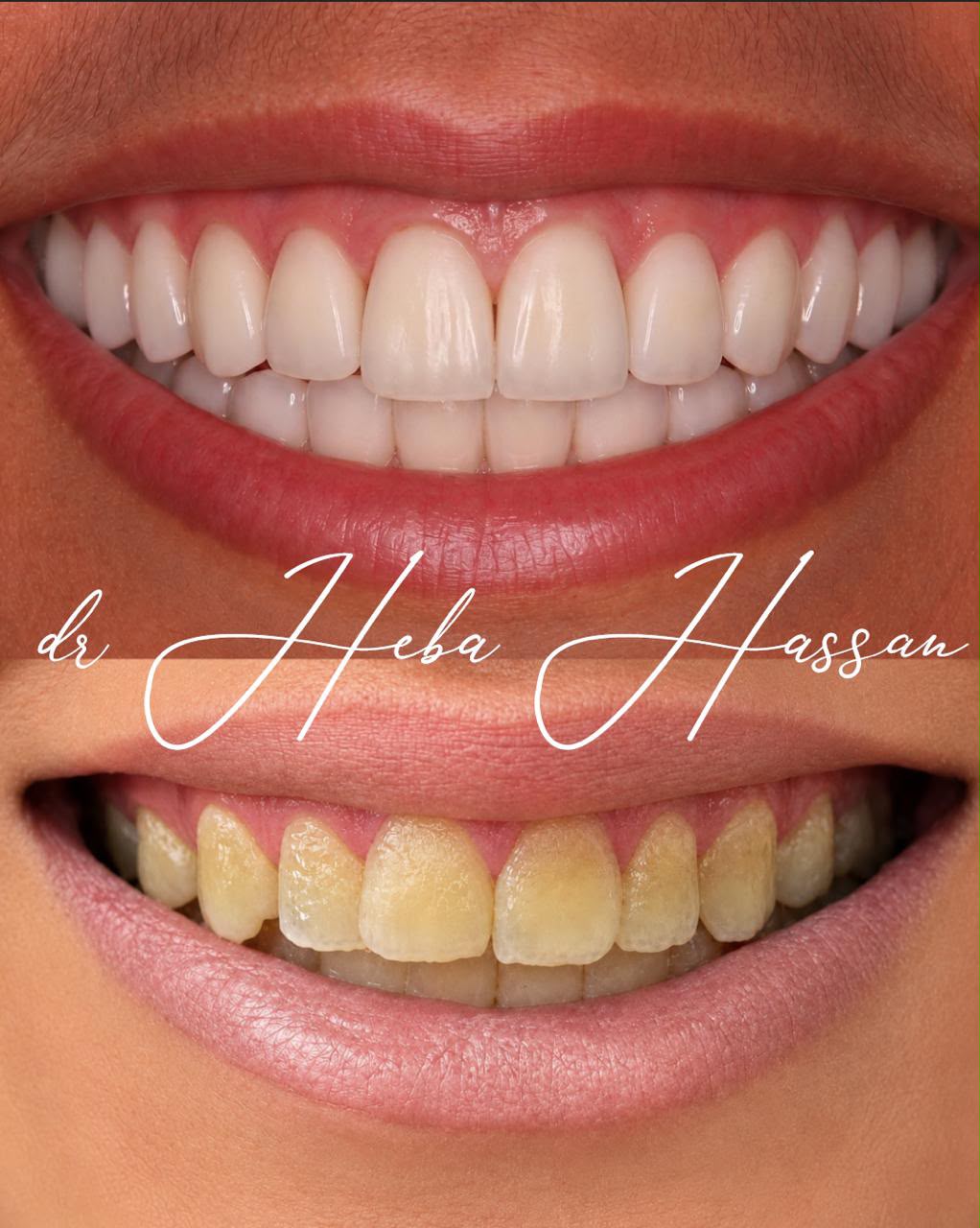
What are dental veneers?
Dental veneers, also called cosmetic dental shells, are thin coverings bonded to the front surface of teeth, usually the anterior teeth, to improve colour, shape, or symmetry. They may be used for selected cases of discolouration, small spaces, limited wear or fractures, and irregular tooth shape after a clinical assessment.[1]
What are the main types of dental veneers?
1. Porcelain or ceramic veneers
Porcelain veneers are fabricated in a dental laboratory and bonded to the tooth with resin-based luting materials. This category includes several ceramics, such as feldspathic porcelain, lithium disilicate, and other reinforced ceramics.
Porcelain generally offers a tooth-like appearance and good colour stability. Clinical reviews have reported favourable survival of porcelain veneers when cases are appropriately selected, treatment is carefully performed, and the restorations are maintained.[1] However, complications such as fracture and debonding can occur, and a damaged veneer may require repair or replacement.
Porcelain veneers may require limited removal of tooth structure, although the amount of preparation varies according to veneer thickness, tooth position, the desired colour, tooth shape, and the bite.
2. Composite resin veneers
Composite resin veneers are usually placed directly on the tooth in the dental office. The dentist applies, shapes, and polishes the material. In some cases, a composite veneer may be fabricated outside the mouth and then bonded to the tooth.
Potential advantages include a shorter procedure and easier repair than with some ceramic restorations. In selected cases, less tooth reduction may be needed. However, composite resin may be more susceptible to colour change, surface roughness, marginal staining, and wear over time. A systematic review identified surface roughness, colour mismatch, and marginal discolouration among the commonly reported complications of composite laminate veneers.[2]
3. Minimal-preparation or no-preparation veneers
This term describes thin veneers placed with very limited enamel removal or, in selected cases, without obvious tooth preparation. The label “no-preparation” does not mean that the option is suitable for everyone or that no tooth modification will ever be required.
This approach may be considered when the teeth have suitable size, shape, and position, and when major changes in prominence, length, or severe discolouration are not required. If veneers are added to prominent or crowded teeth, they may create an overly bulky appearance or make cleaning and gum health more difficult.
Published evidence suggests that long-term clinical research on some minimal-preparation and no-preparation veneers remains limited and heterogeneous. They should therefore not automatically be considered superior to conventional veneers.[3]
4. Ceramic veneers classified by material
A dentist may describe a ceramic veneer according to its material, including:
Feldspathic porcelain: offers strong aesthetic potential and translucency similar to natural teeth, but its thinness requires careful planning.
Lithium-disilicate ceramic: combines aesthetic properties with mechanical characteristics suitable for several restorations and has been used for veneers in clinical studies.
Reinforced and other ceramic systems: their properties vary according to composition, thickness, manufacturing method, and bonding protocol. The material should not be selected on the basis of a brand name alone.[4]
No single material is best for every patient. The choice depends on tooth colour, the amount of enamel available for bonding, the severity of discolouration, the bite, tooth clenching or grinding, and the extent of the desired change.
How is the appropriate type selected?
Selection requires assessment of the teeth and gums, the bite, and any decay, large fillings, wear, or tooth grinding. Decay or gum disease may need treatment first. In some cases, orthodontic treatment or whitening may be discussed before veneers.
The consultation should also cover how much tooth structure may be removed, whether the veneer can be repaired, and the possibility of future replacement. Veneers are restorative treatment and may be irreversible when tooth preparation is required; they are not a substitute for treating dental or gum disease.
Do dental veneers last permanently?
Veneers are not lifetime restorations. Their survival depends on the material, veneer design, bonding quality, tooth and gum health, oral hygiene, habits such as nail biting or opening packages with the teeth, and tooth grinding. One systematic review reported an estimated cumulative survival of about 95.5% for porcelain laminate veneers after 10 years, but this is not an individual guarantee and outcomes vary between studies and patients.[1]
Care after veneer placement
Brush twice daily with a suitable toothpaste and clean between the teeth.
Attend regular dental reviews to assess the margins, gums, and bite.
Avoid using the teeth to open packages or bite hard objects.
Tell the dentist about clenching or grinding; a night guard may be discussed when appropriate.
Do not ignore persistent pain, sensitivity, or gum bleeding after treatment.
Conclusion
The main types of dental veneers are porcelain veneers, composite resin veneers, and minimal-preparation or no-preparation veneers. Each option has potential benefits and limitations, and the decision should not be based only on cost or promotional images. A careful clinical assessment and discussion of alternatives and risks can support a safer and more realistic decision. The treating dentist should review and adapt this information to the patient’s circumstances before publication or use in treatment decisions.
Sources and references
- Long-Term Survival and Complication Rates of Porcelain Laminate Veneers in Clinical Studies: A Systematic Review
- Survival and Complication Rates of Resin Composite Laminate Veneers: A Systematic Review and Meta-Analysis
- Conventional Versus Minimally Invasive Veneers: A Systematic Review
- Survival and Complication Rates of Feldspathic, Leucite-Reinforced, Lithium Disilicate and Zirconia Ceramic Laminate Veneers: A Systematic Review and Meta-Analysis